Before the First Course: How Your Arrival Shapes Every Business Dinner in Ho Chi Minh City
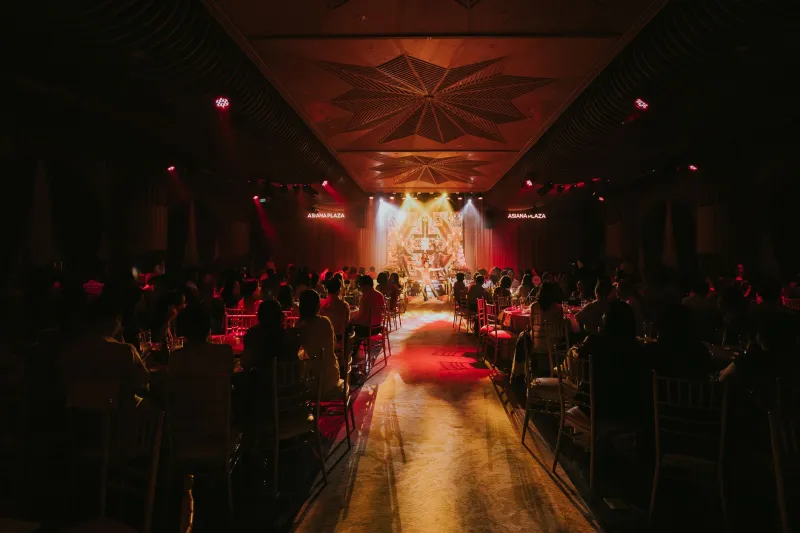
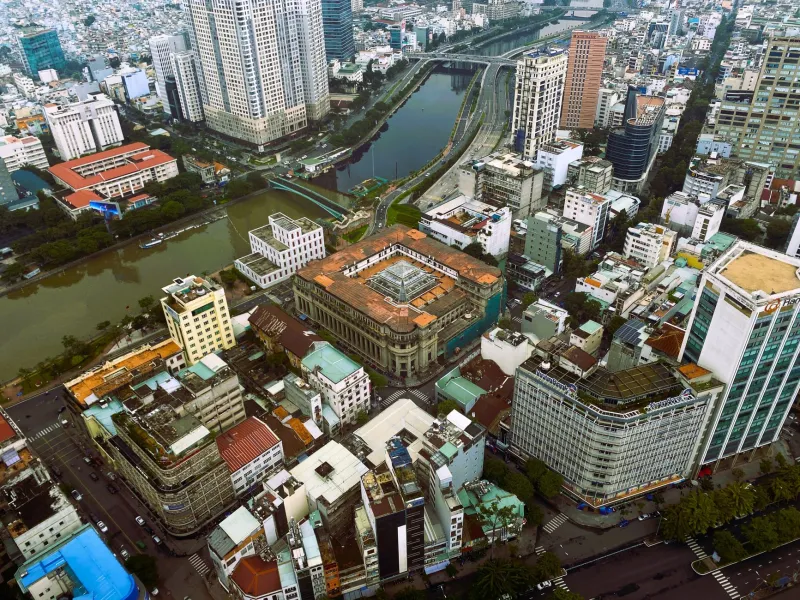
Saigon's restaurant scene is, by any measure, extraordinary. From the candlelit private dining rooms tucked above Dong Khoi Street to the rooftop establishments commanding panoramic views of the Saigon River, Ho Chi Minh City has quietly become one of Southeast Asia's most sophisticated stages for relationship-driven commerce. Yet for the American executive arriving here with a full agenda and limited time, there is a dimension of dinner diplomacy that no amount of pre-trip research fully prepares you for: the moment you walk through the door matters as much as everything that follows.
This is not a trivial observation. In Vietnamese business culture, where trust is earned gradually and personal rapport carries enormous weight, the quality of your entrance — the ease with which you arrive, the composure you project, the absence of visible stress — functions as a kind of social currency. Spend it wisely, and the evening opens. Arrive frazzled, late, or visibly disoriented from the chaos of Saigon's streets, and you begin the meal already working to recover ground.
The Psychology of the Entrance
American business culture tends to measure executives by what they say and what they know. Vietnamese business culture, particularly at the senior levels where meaningful deals are made, weighs those factors alongside something more holistic: how a person carries themselves across an entire encounter, from arrival to farewell.
Psychologists who study first impressions consistently find that initial judgments — made within the first few seconds of meeting — are remarkably durable. They shape how subsequent information is interpreted. An executive who arrives composed, on time, and unhurried is perceived as someone who commands their environment. An executive who arrives apologizing for traffic, checking their phone for directions, or visibly perspiring from the humidity after navigating the streets independently — however accomplished they may be — begins the evening managing perceptions rather than building them.
The entrance, in other words, is not merely logistical. It is a statement of competence.
Why Saigon's Streets Work Against the Unprepared
Ho Chi Minh City is a city of extraordinary energy and, for the uninitiated, genuine navigational complexity. District 1's grid of narrow streets and one-way thoroughfares, the perpetual density of motorbike traffic, and the absence of reliable western-style rideshare infrastructure all conspire to make independent transit a gamble — particularly when the destination is a specific restaurant in an unfamiliar neighborhood and the dinner reservation carries commercial significance.
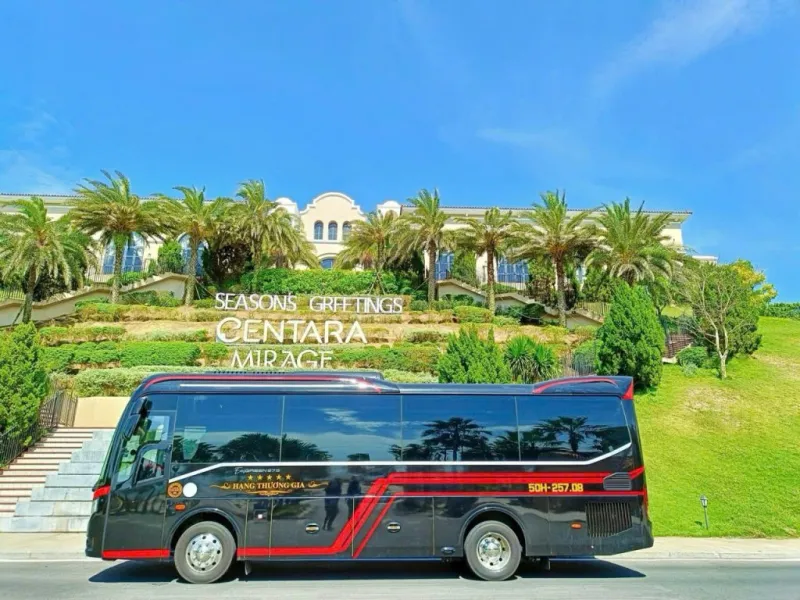
The executives who arrive most effectively are those who have removed uncertainty from the equation entirely. They have arranged, in advance, transportation that knows precisely where the restaurant is located, understands the traffic patterns at that hour, and builds appropriate buffer time into the journey. They step out of the vehicle composed because the vehicle itself was a controlled environment — climate-managed, quiet, and professionally navigated.
This is not a luxury indulgence. It is operational intelligence applied to a high-stakes social moment.
The Conversation That Begins Before You Sit Down
There is a subtler dimension worth examining. Elite ground transportation does not merely deliver you to a destination; it preserves the mental bandwidth you need to be genuinely present when you arrive.
Consider what a high-performing dinner conversation requires: active listening, cultural sensitivity, the ability to read subtext, the patience to allow silences to breathe in the way Vietnamese conversational etiquette sometimes demands. These capacities are available to you in abundance when you have spent the preceding thirty minutes in a quiet, comfortable vehicle — reviewing your notes, gathering your thoughts, or simply decompressing from the day. They are significantly depleted when you have spent that same period navigating an unfamiliar city, managing a language barrier with a driver, or arriving ten minutes late with your apologies already prepared.
The vehicle, properly chosen, is not transportation. It is preparation time.
Reading the Room: What Your Vietnamese Hosts Observe
Senior Vietnamese business figures — many of whom have cultivated sophisticated international networks over decades — are practiced observers of their foreign counterparts. They note, often without comment, the details that reveal how a guest has organized their time and resources.
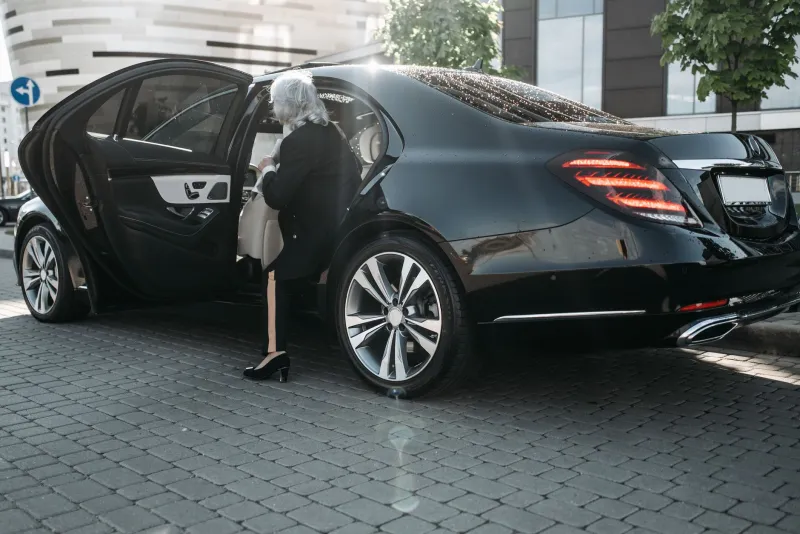
Arriving in a well-appointed limousine, on schedule, with the ease of someone for whom logistics present no difficulty, communicates several things simultaneously: that you take the engagement seriously enough to prepare properly, that you have the resources and judgment to invest in quality, and that you respect your host's time. These are not small signals in a culture where relationship-building operates on a long timeline and where trust is extended incrementally.
Conversely, the executive who treats the ground transportation question as an afterthought — booking whatever is convenient at the last moment — may inadvertently signal that they approach other decisions with similar casualness. In Saigon's business culture, that inference, once formed, is difficult to dislodge.
Seamless Logistics as a Competitive Advantage
The American executives who perform most effectively in Saigon's dinner diplomacy circuit tend to share a common characteristic: they have systematized the logistical elements of their visit so thoroughly that those elements require no active attention during the visit itself. Hotels, meetings, and ground transportation are arranged in advance through providers who understand the city's rhythms. The result is a schedule that flows rather than lurches — and an executive who arrives at each engagement with their full attention available.
This is where a dedicated limousine service earns its value most clearly. A driver who knows the restaurant's precise location, who has navigated the surrounding streets at that hour on previous evenings, and who communicates proactively about any route adjustments is not simply a convenience. They are a strategic asset — one who absorbs the friction of an unfamiliar city so that you do not have to.
Arriving as the Executive You Are
There is a version of the Saigon business dinner that proceeds beautifully from the first handshake — where the conversation flows naturally, where your Vietnamese hosts sense in you a composed and capable partner, and where the evening generates the kind of goodwill that accelerates commercial relationships by months. That version begins, consistently, with an arrival that reflects the seriousness of the occasion.
The ground transportation you choose for a critical dinner in Ho Chi Minh City is not a line item to be minimized. It is the opening act of an evening that may shape the trajectory of a significant business relationship. Treat it accordingly, and you arrive not merely at the restaurant — but at the conversation already ahead.