Reading the Room Before You Enter It: What Vietnamese Business Culture Demands from the Executive Who Wants to Win
American executives landing in Ho Chi Minh City for the first time often carry a particular assumption: that business culture here operates on terms broadly similar to what they know at home. The handshake, the agenda, the mutual respect for efficiency—surely those translate universally. What surprises many, sometimes to the detriment of their deals, is how much of Vietnamese corporate protocol is communicated not through words but through context. And among all the contextual signals available to a foreign executive, few carry more weight than the manner in which they arrive.
This is not a matter of vanity. It is, quite precisely, a matter of cultural literacy.
The Concept of Face and Why It Governs the Boardroom
To understand why your arrival vehicle matters in Saigon's business community, you must first understand the concept of mặt—face. In Vietnamese professional culture, face functions as a form of social currency. It encompasses reputation, dignity, and the perception of competence that others hold of you. Gaining face elevates trust. Losing it—or causing a counterpart to lose it—can quietly close doors that no amount of follow-up correspondence will reopen.
For a visiting executive, the calculus of face begins well before the first meeting room. Your Vietnamese counterparts may have already inquired about your hotel, your schedule, and yes, your transportation arrangements. The question they are implicitly asking is whether you have taken this engagement seriously enough to present yourself accordingly. Arriving in a vehicle that signals preparation, resources, and intentionality answers that question before anyone has poured the tea.
Conversely, stepping out of a ride-share application vehicle—one that arrives late, carries the ambient disorder of a busy platform service, and deposits you at the curb without ceremony—sends a different signal entirely. It suggests, however unintentionally, that this meeting was not worth the full measure of your preparation.
Hierarchy, Hospitality, and the Visible Gesture
Vietnamese corporate culture is shaped in part by Confucian values that place significant emphasis on hierarchy and the visible expression of respect between parties of unequal or equal standing. When a senior executive from a US firm arrives to negotiate with a Vietnamese business leader, both parties are performing a kind of mutual assessment. The Vietnamese host is evaluating not just the content of the proposal but the character of the person presenting it.
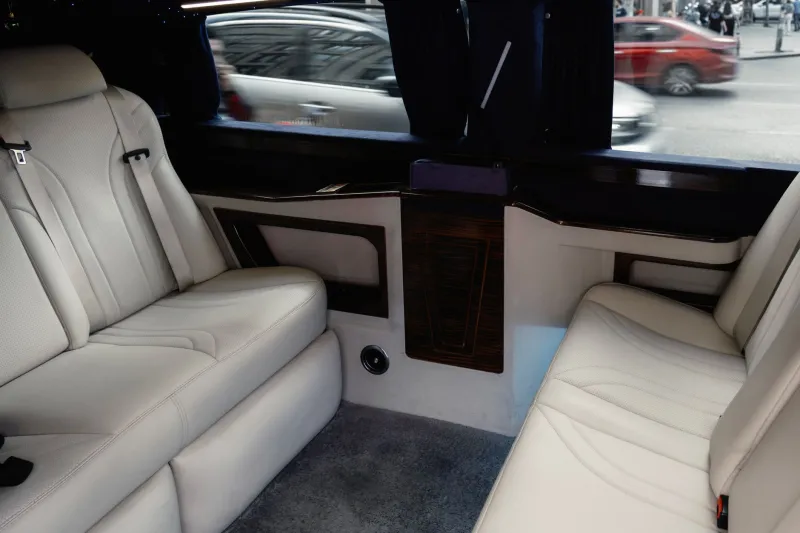
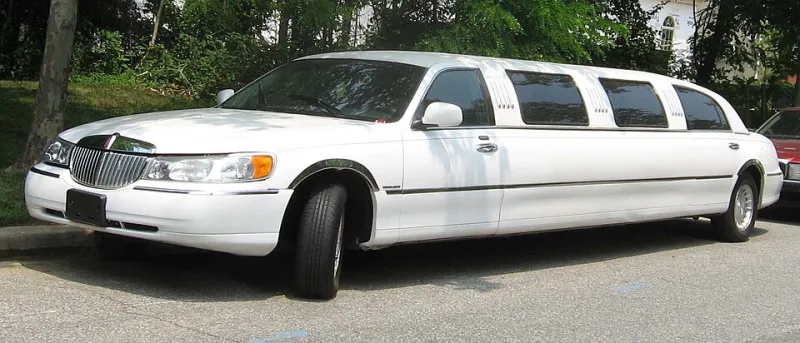
In this context, the vehicle you arrive in functions as a gesture. It is comparable, in its cultural logic, to bringing an appropriate gift or using formal address when speaking with senior counterparts. It communicates that you understand the register of the occasion. A well-appointed, chauffeured limousine—arriving precisely on time, immaculately presented, with a professional driver who understands the protocols of discreet service—signals that you have done more than read a travel guide. It signals that you have respected the relationship enough to invest in it properly.
This is why elite ground transportation in Ho Chi Minh City should be understood not as an amenity but as a strategic instrument aligned with the cultural expectations of the market you are entering.
The Specific Weight of Punctuality in Vietnamese Business Meetings
American executives are generally aware that punctuality matters in professional settings. What may surprise them is the specific texture of what lateness communicates in Vietnamese business culture. Arriving late—particularly for an initial meeting, a formal dinner, or a high-stakes negotiation—is not read merely as a logistical failure. It is read as a statement about how much you value your counterpart's time, and by extension, how much you value the relationship itself.
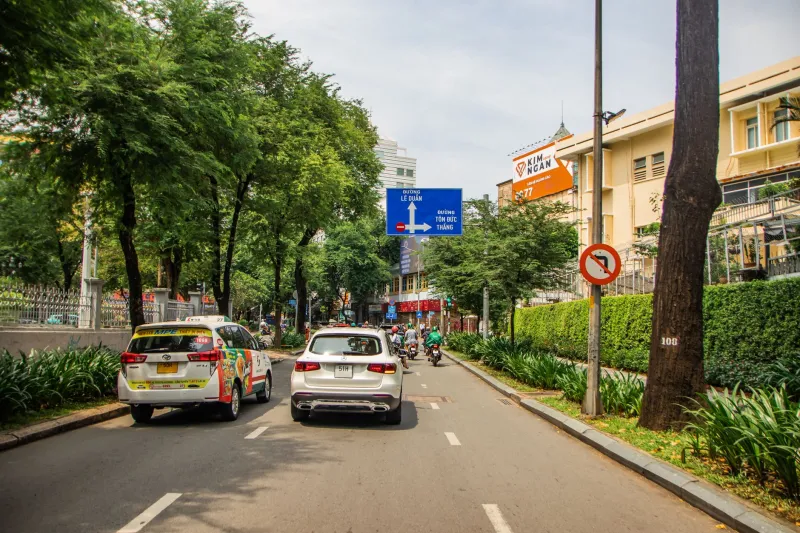
Ho Chi Minh City's traffic is notoriously unpredictable. Districts that appear proximate on a map can require thirty minutes or ninety depending on the hour, the day, and the entirely unforeseeable confluence of motorbikes, construction diversions, and monsoon-season flooding. Executives who rely on self-navigation, application-based services, or hotel concierge recommendations without local expertise frequently discover this reality at the worst possible moment: en route to the meeting that cannot be rescheduled.
A professional chauffeur service operating with deep knowledge of Saigon's traffic patterns does not merely drive you to your destination. It engineers your arrival time. Routes are selected with contingencies in mind. Departures are calculated backward from when you need to be seated, composed, and ready—not merely present at the entrance. This is the operational infrastructure that punctuality in this market actually requires.
First Impressions as a Long-Term Investment
In markets where business relationships develop over months and years rather than single transactional encounters, first impressions carry compounding value. The credibility established in an initial meeting with a Saigon business partner becomes the foundation on which every subsequent negotiation is built. A strong opening impression creates goodwill that can absorb the friction of difficult conversations later. A weak one creates a deficit that persistence alone rarely overcomes.
US executives accustomed to markets where deals move quickly and relationships are secondary to terms may underestimate how durable first impressions are in Vietnamese business culture. Your counterparts will remember how you arrived. They will notice whether you appeared composed or harried, prepared or improvised. The environment you stepped out of—its quality, its professionalism, the confidence it projected—will be part of that memory.
Investing in elite ground transportation is, in this light, an investment in the long arc of the business relationship. It is a decision that pays dividends not in the immediate meeting but in the accumulated trust that makes every subsequent meeting more productive.
Cultural Literacy as Competitive Advantage
The executives who succeed consistently in Ho Chi Minh City's business environment are rarely those with the most aggressive pitch decks or the most favorable pricing structures. They are, more often, those who have taken the time to understand the cultural grammar of the market—who have recognized that respect in this context is expressed through preparation, presentation, and the visible willingness to meet Vietnamese business culture on its own terms.
Arranging professional, luxury ground transportation for every engagement in Saigon is one of the clearest, most actionable expressions of that respect. It requires no Vietnamese language proficiency, no years of cultural immersion. It requires only the recognition that in this market, how you arrive is inseparable from what you are saying—and the decision to make sure that what you are saying, before you speak a word, is exactly right.